Tag Archives: modelling

Site Seeing – The scratchbuilding masterclass edition

I enjoy scratchbuilding. It’s a mental as much as engineering or artistic endeavour. I recently found the site highlighted today and just had to share this for those of you unsure how to begin or for those who’ve begun but need along their scratchbuilding journey.


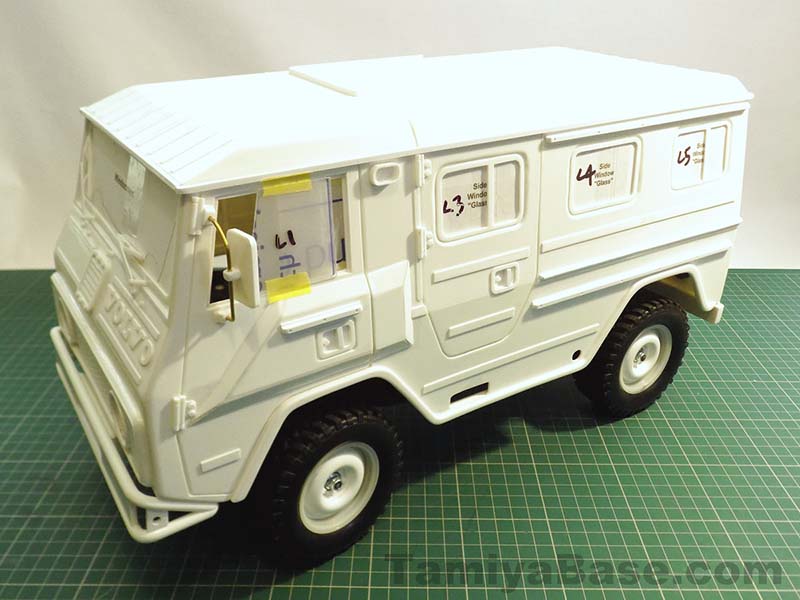
TamiyaBase.com

While this site deals with cars, and car related projects, the series of tutorials provide a great set of skills totally applicable to all modellers.

It includes extensive styrene tutorials in both flat and curved surface projects and there’s another outstanding tutorial on a project in brass. And this guy knows his scratchbuilding business.

There are downloadable templates, lists of tools and supplies to complete the model; in all a very comprehensive site and full of ideas for those of us interested in bettering our scratchbuilding skills. I learned a lot from reading all the tutorials.


Resources

Site update: new tool section – punch and die tools

On one of the forums (fora?) that I inhabit the subject of punch and die sets came up. While answering the ops question about the punch and die sets I use, I thought it was time I write more about the tools I use and so with some spare time on my hands today I wrote a new section under the tools section for these highly useful, if not often talked about, tools. More below…


The tools


There’s four new pages, one master page, and one for each tool listed below:

  1. Beading tool – for making rivets and bolt ends,
  2. Hexagonal punch and die – for making bolt heads, and
  3. Waldron’s punch and die sets (plural) – for making washers, panel overlays, cutouts, and anything else you can think to use them for.

Resources


To reach each page you can use the menu at the top of the page (modelling articles > tools ‘n’ tips > Punch and Die tools > choose an option), or click from the links below:


A note on safety


When using any tool, but especially those that cut or punch make sure you are wearing eye protection at all times. Small parts can and will fly into your eyes if you are not careful. I’m not responsible for any damage to you or others from using the information presented here.

Site Update – RailBox XAF10 Modelling pages updated

The modelling article on the RailBox XAF10 class cars have been updated. There is new content and the third step of the rebuild article promised some time ago. There’s more information below.


What’s happened

My last update on this project covered the addition of a short history of the class. This time we’re getting into the meat of the project.

This new page covers the dangly bits between the frame and the rails – brake rigging. This is a task focused modelling article on how to simulate the brake rigging on the model without going over the top. Thanks go out to Tony Thompson whose original post on his blog got me started on this particularly enjoyable journey. (There’s a link from the new page to Tony’s original blog post.)

Throughout the series I’ll be aiming to complete the entire project section within an hour (between getting home and dinner for example) and at the end of it have a model that you can be proud of. Here’s what I mean using before and after photos:

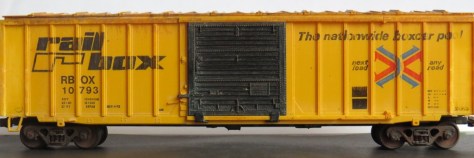
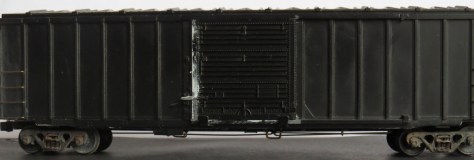
Image 1: The basic Athearn BB kit sans brake rigging

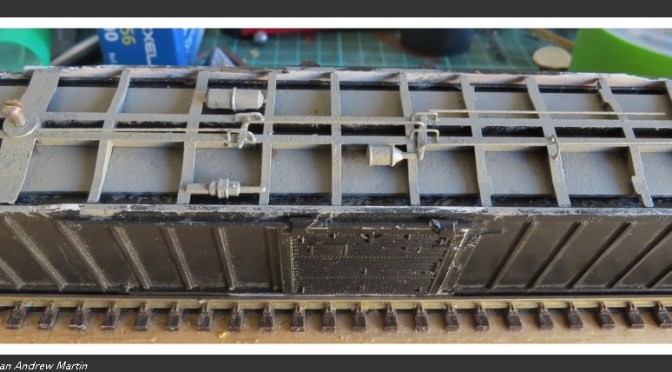
Image 2: Same kit (undec) with brake rigging – a subtle difference but well worth the effort

You can head direct to the page by clicking this link, or head over to the project home page clicking this link. I hope that you enjoy this new part of the project. Like, subscribe and follow to keep up to date with all the new content here on Andrew’s Trains.

Sebastopol Shops – Adding brake gear

There was movement at the station, (to partially quote A. B. ‘Banjo’ Patterson), and I’m working to update a fair proportion of the model fleet with basic brake gear. More below…


Low hanging fruit

I mentioned a couple of posts ago I wrote about simplifying my modelling, without compromising my vision of what I want to achieve with my modelling. I believe that by simplifying my modelling style that should not mean accepting less. I tend to overthink everything, over detail (hyper detail) and in the end never finish anything to the standard I want to – think contest models of everything. But no more however. In that spirit I’ve been working toward cost-effective updates to my Athearn BB and other boxcars that I’ve collected over the years. To that end last week I found (for the second time at least) the post by Tony Thompson on his blog about providing partial yet effective brake rigging. This week I’ve gotten that done on several cars, and what a difference I feel it makes.

There’ll be a full article coming later this week on how I achieved my version over on the project page for the RailBox XAF10 cars. The page updates appearing there will be out-of-order but I’ll be filling in the blanks over the next couple of weeks as I get images completed. In addition there’ve been some cars in for repairs and one specifically coming closer to completion. More on these last two tomorrow.


Images from the RIP track

The production line; and while the cars have good general representations of the AB brake system, you can make a better looking version with a little time, staples, some fine brass rod and a little super glue (in this case super thick).
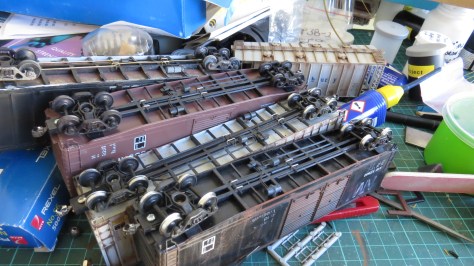
Above: the prototype for all the brake gear, RBOX XAF10 (the car at the back with all brass) with the other three cars using staples for the protective hangers.

Below: Bringing it all together. Staples and brass rod for the actuating rods. Absolutely prototypical? Nope, but they look the goods and make a total difference to the side on view of the cars. Well worth the time and effort to do.
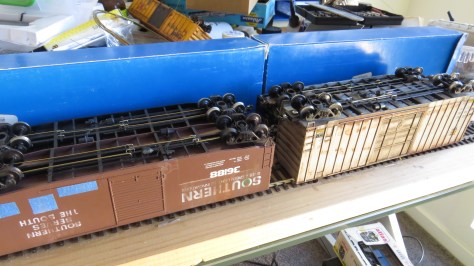
50 Boxcars NW 52900 & Southern 36188 showing the difference between steps:
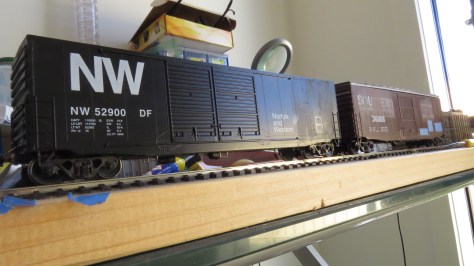
Above: the car with the beginnings of the brake rigging in place.

Below: shows the difference between one day and the next. Talk about a difference. I really like the look, busy, but simple and cheap to do.
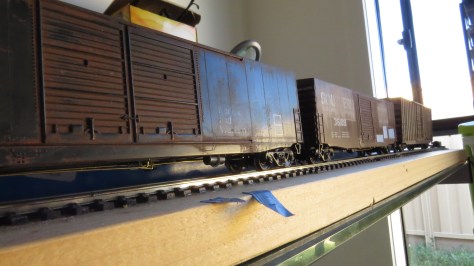
I’ll post more images next time as I work through the rest of the cars on the RIP track.

Thanks for reading and dropping by.

Insight – Why am I modelling the way I do?

A recent conversation with a fellow modeller has bought me back to thinking about why I’m modelling, and what my modelling should represent. Let me explain.


I have a lot less modelling time now than I ever did before, due to my work commitment, which is driving the nature of my modelling in different (if interesting new) directions.

Among the changes I’ve had to make is in the scope of the work. Because it takes longer to complete larger and more complex projects I’m focusing on smaller easier to complete in a day projects as my primary goal. I have some large projects that remain on the table. These will be for items I cannot buy, kitbash or otherwise make out of something else.

Will this change the nature of posts that appear here on the Andrew’s Trains blog? No, I don’t believe so. This blog has always been about small layouts with lots of operational potential, and that is in line with what I am moving to in my modelling.

Weathering will continue to play a large part in my modelling, upgrading blue-box style kits to better reflect the prototype is where I found real joy in modelling as a young man. And I’m going back to that in a big way this year. There’ll be more posts along these lines to come over the next few months as I get my modelling life back in order.

With a demanding and hectic work life simplicity is my goal. Modelling simplicity likewise has to be the case. Simple projects that can be done with:

  1. tools I already have,
  2. resources I already have, and
  3. that can be completed in the time I have to give them.

This is the focus of my modelling going forward. Likewise to layout building. I have a couple of projects that I want to complete, one of which is a Supernook, a new design I’m working on now that will begin with the baseboards build before we left the USA 13 years ago. I’ll be continuing on with the US-based shunting layouts, but I’m interested in building a Australian/UK-based Minories layout soon as well.


Takeaway

I’ve made modelling a complex and often difficult endeavour. I’ve lost my love of producing models that I enjoyed building and that I am proud of. Life is short, and more so as I near my mid 50s. Time with my family and enjoying what I do is not limitless. So the time is now to make the changes that keep me happy, healed and enjoying what I do. I hope that you will stay along for the ride. With almost 100,000 unique views over the last 3 years I’m hopeful that you will stick around and see what is coming.

Site seeing – Op till you drop ‘Blue Flag’ edition – August 18

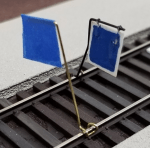
In this post we’ll be looking at blue flags; what they are, what they do and how to model them.


What blue flags are, and what they do

Blue Flags are used in the North American  railroading industry to show that railroad or other personnel are working, on, about, under or between railroad equipment and that the railroad equipment may not be connected to. These signs may be posted at the entry to the track upon which the vehicle sits or may be at, or close to, the railroad equipment itself.

Whoever places the flag is generally the only person that may remove said flag. However anyone from that same ‘craft’ may remove the flag. While this generally applies to railroad mechanical departments many customers have also begun to use the blue flag to ensure that cars loading or unloading have the same level of protection. Railroad crews are so used to dealing with these safety items that ‘everyone’ in the industry understands what their placement on a siding or spur means.

Canadian Pacific’s safety regulations state the following:

12.3.7 Blue flag protection is used to indicate that CP or Contractor Personnel are working on, under or between Railway Equipment and movement of trains or other Railway Equipment is prohibited. Blue flags must not be tampered with or obstructed. Blue flags can only be removed by the person or group of persons who originally applied it. Application, use, and removal of blue flags, when appropriate, may only be done under the authorization and guidance of the Manager in Charge.


Modelling blue flags

Have you considered adding ‘blue flag’ operations on your layout? Adding prototype processes to an operating session provides two important benefits:

  1. It makes the time you spend on the layout more meaningful through the application of, and adherence to the rules, and
  2. It slows down the session and forces you to work in real-time.

Over on the Model Railroad Hobbyist blog of Craig Thomasson he recently described how he builds HO scale blue flags for operations and how they are used on his layout. I found his blog post interesting and think that you might find as interesting and useful as I did.

Resources

If you’ve not met Blue Flags in the operations sense before here are some resources that you might find useful:

Site Update – the I have a bench finally edition

It has been more than 20 years since I last had a dedicated modelling room, and the spaces within which, to continuously model. It is nice to be able to leave out projects that I am working on, and not have to worry about little hands and my wife getting grumpy at me because of the mess I leave about. I’m not complaining mind. Just saying that it is nice to be able to leave out projects that I’m not quite finished with and come back to them hours, days or even weeks later without the guilt of being in another’s way.

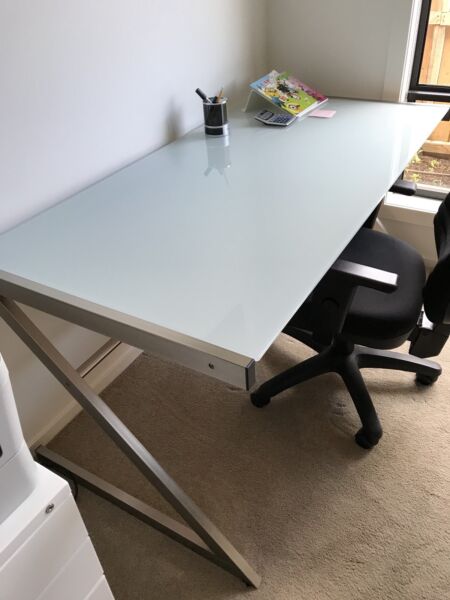
I was lucky in finding a solid glass top desk in a local thrift store (on the cheap mind). Nice thick glass (perfectly flat and great to use when scratchbuilding) with plenty of space to build and keep the projects on (see the image on the left).

And there are several projects that I need to advance and get to completion. Among them are the following Australian outline kit building projects:

  1. GY Grain wagons from the SEM kit as outlined here in 2015

I’ve actually got about 12 of these to complete, and I’ve learned along the way with the kits that while it would be nice to include everything I originally planned, unless you build them from scratch you have to compromise. These will eventually belong to an Aussie outline small layout for exhibition. More on that later – as I need to buy some motive power (A Y class loco, or two, or three, and a T Class too if I can get my bookkeeper to authorise the purchase).

Then there are the following US outline projects:

  1. O Scale GP38-2 rebuilds (more on that here)
  2. HO Scale SW1500 rebuilds (more to come on that in another post soon)
  3. Completion of a bunch of HO scale car repaints, upgrades and so on

There are several other types of non-rail modelling projects that I’d like to finish too, including Robby the Robot, a series of BSG (Battlestar Galactica) projects, a couple of Star Trek projects and tanks, submarines, and a couple of dioramas for these said projects too.

That’s it for now on this update. There’ll be more information and write-ups coming on these projects as I get them moving again. I still have some parts to order for the O scale project, where as I’ve all the parts needed now for the SW1500s.

Site update: New modelling page

Ballarat - May 2013
Ballarat – May 2013

I’m slowly working to catalogue and curate all of my railway and modelling related images. I’m doing this in part so that I can share them all with you here; also to allow me to find the photos I need for modelling when I need them.

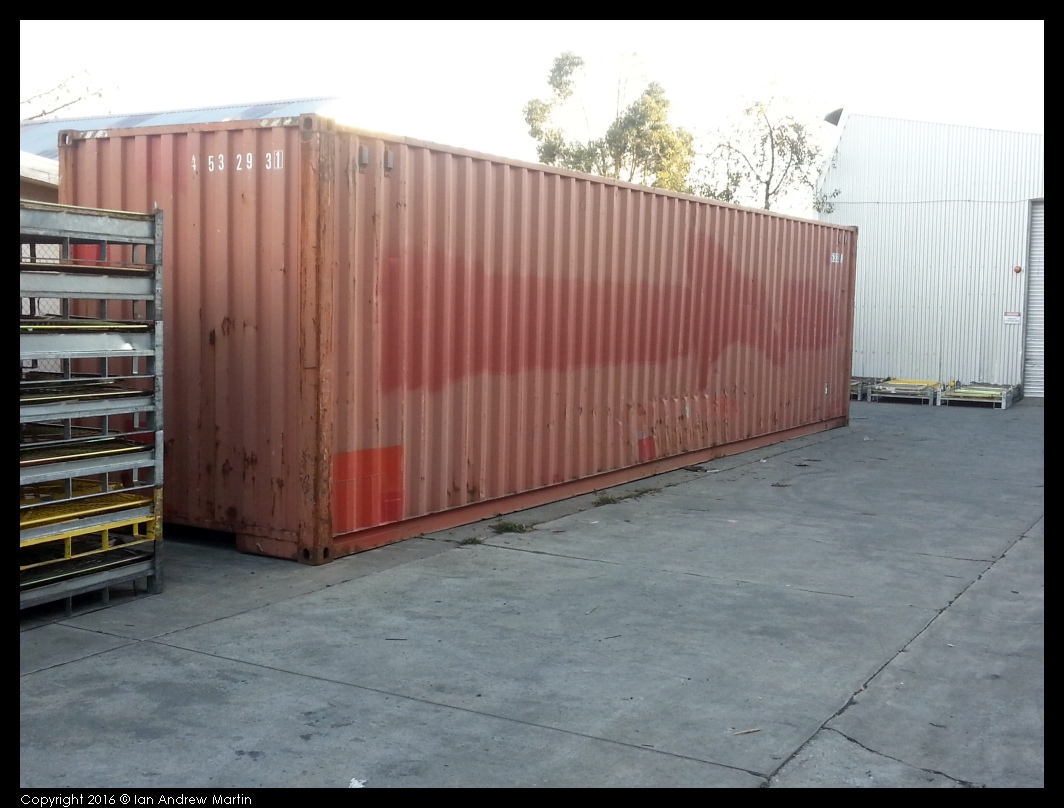
Site update 1: Modelling Page: High Cube Shipping Containers

There are several useful resources available on the above link. These include:

  • A gallery of detail images of a 40′ HC container taken in 2013
  • A downloadable PDF for all HC containers sizes in metric and imperial should you wish to make your own (especially for the 3D printer)
  • Details of suppliers in most of the popular scales including some free through more paid resources

I hope that you find this useful for your modelling purposes. Drop me a line if you make use of any of the resources.

Site seeing – Tueday 14 June 2016

As you tool around the web you come across some interesting and useful sites. I’ve found it hard to have a simple to find and use repository since the end of basic HTML coding. I’ve bookmarked and so on but I wanted to have a better place to go.

So today I’ve added a new section for these resources.  I’ll add site links when I find them; adding information about the sites so that you decide their value before you visit them.

Visit the following two pages:

Enjoy

Site seeing – March 24 (The night before the Easter weekend edition)

A post popped up on Facebook today that had me dreaming of Narrow Gauge ideas. Just one more model to add to the list of things I’d like to build before… well I guess as modellers you get it. Follow the link below to some really good modelling.

Site 1: Shortline Modellers website and forum

I’ve had a quick look around this site, and found some outstanding modelling going on there. Seems like its young and in the early stages of being filled out. Don’t let that dissuade you from visiting however.

That’s it for today. Like this post and comment if you find it useful or would like further information; if you’ve not already subscribed to keep up to date you can do so now using the link at the top of the post.