Site Seeing – December 28

Small layouts are my true love. That’s not to say that I wouldn’t love to have a huge O scale layout filling the basement of a huge house. Realistically however, the small layout is the most likely layout that I can build and operate within the scope of income and time available. And as many others have pointed out over the years it is also a canvas within which you can detail to your heart’s content.

Site 1: Bart van Doorn’s 33rd St Layout

This beautiful O scale layout shows what can be achieved in a relatively small area in what I consider the premier scale. Pop on over to Bart’s channel and take a look around at his videos of the layout.

Site 2: Bart van Doorn’s Flickr site

Bart’s layout has come a long way since the video above. Take a look at the Flickr set and see his outstanding modelling.

Site 3: Shortliner Jack’s version of 33rd Street in HO Scale

Shortliner Jack is one of my heroes when it comes to building a layout. He is a serial small layout builder designing some notable layouts among them Box St Yard.

Recently I found a 2013 set of posts about his HO scale version of 33rd Street that makes some interesting reading. Even though the layout did not get finished it does show what you can manage in a relatively small space.
Site seeing December 24

Among my favourite places to model are where the railroad meets other types of transport. In today’s case we’re looking at the connection between rail and road and the infrastructure that allows it to happen.

Site 1: Gene’s P48 Blog – modelling grade crossings

While Gene’s site is for P48 O Scale modellers, the techniques used apply equally to those of us modelling in smaller or should you be lucky enough in the larger scales.

Enjoy part 1 of this series.

In Praise of Bakeries, Part II

In part 2 of his post on Bakery operations in the Roswell area, Rails West has some great shots of the unloading equipment, delivery vehicles and railcars involved in the operation along with details of the operation.

Enjoy, and thanks again Rails West for this great resource.

CE Hunt's avatarRails West

To conclude my series on bakeries, here is a little information on the structures, rolling stock, vehicles and operations.

Structures

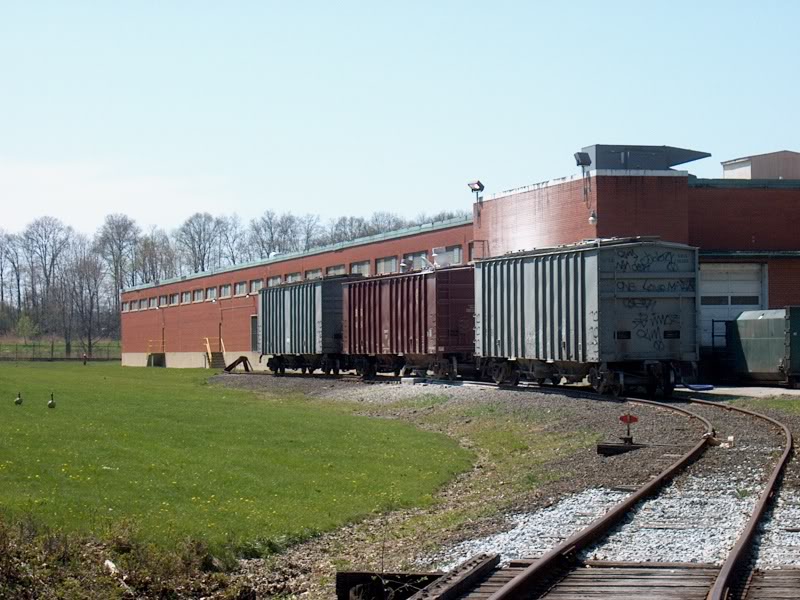
Bakeries come in all shapes and sizes, but most of the older ones were pretty substantial brick or cinder block buildings from what I can gather. Here’s a collection of photos demonstrating the variety.

Capture Rainbo Bakery, reportedly in Tuscan, AZ.

Tucson Rainbo Bakery

Older Rainbow Bakery in Tucson, AZ.

Roanoke Rainbo Bakery coutesy Roanoke Public Library Rainbo Bakery in Roanoke, VA.  Photo courtesy of Roanoke Public Library.

back Back of a bakery, location unknown.

Here’s a more modern bakery.

Schwebels Bakery Solon OH Dan Sapochetti Schwebels Bakery, Solon OH, 2005, photo courtesy of  Dan Sapochetti

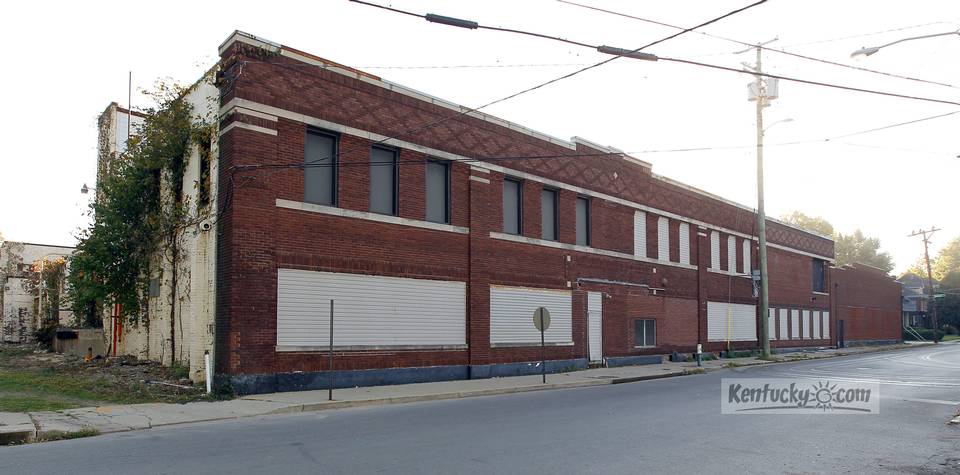
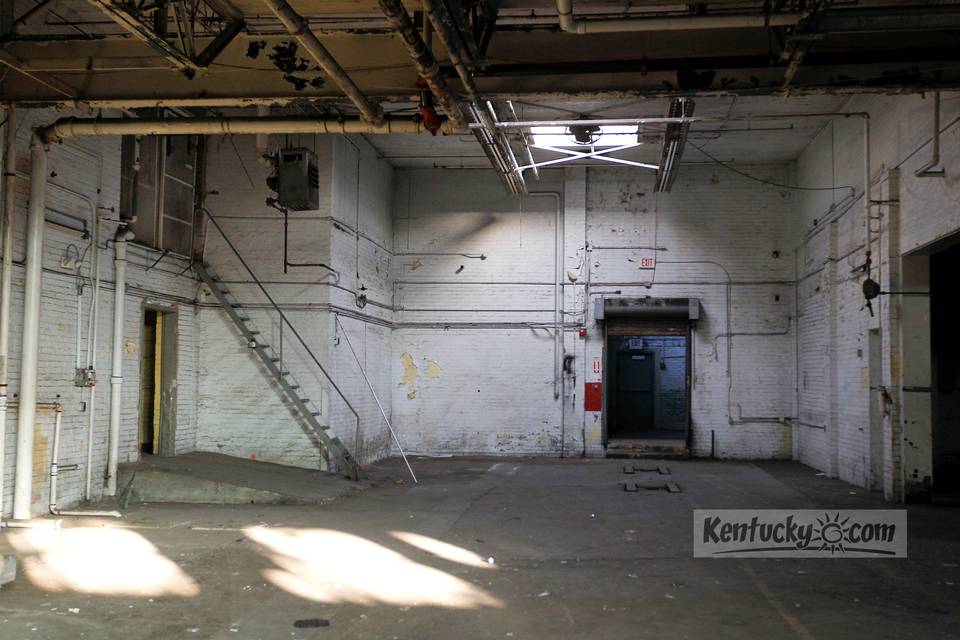
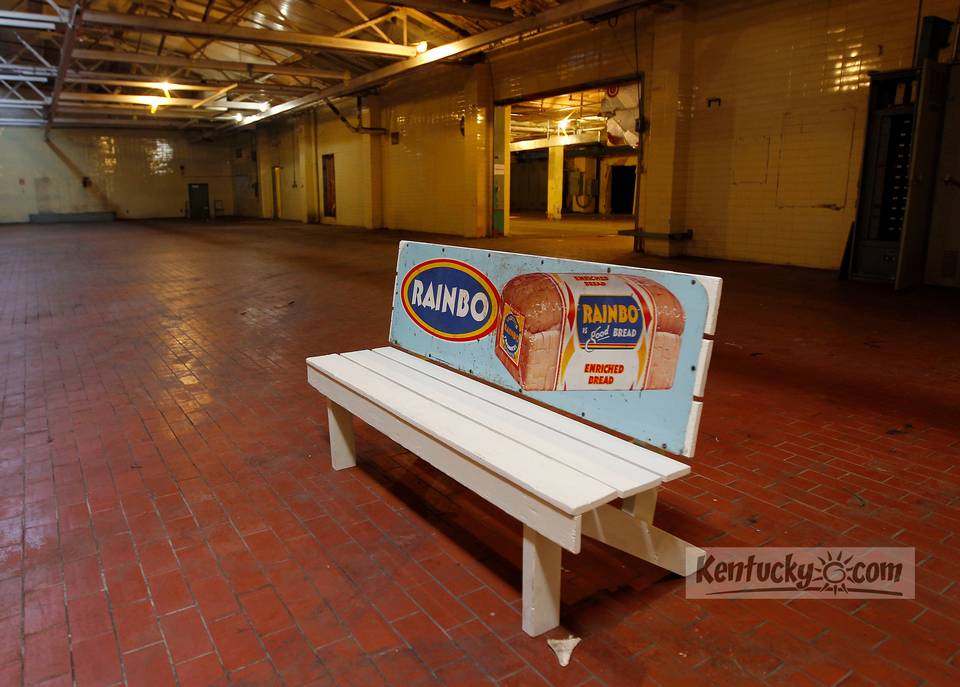
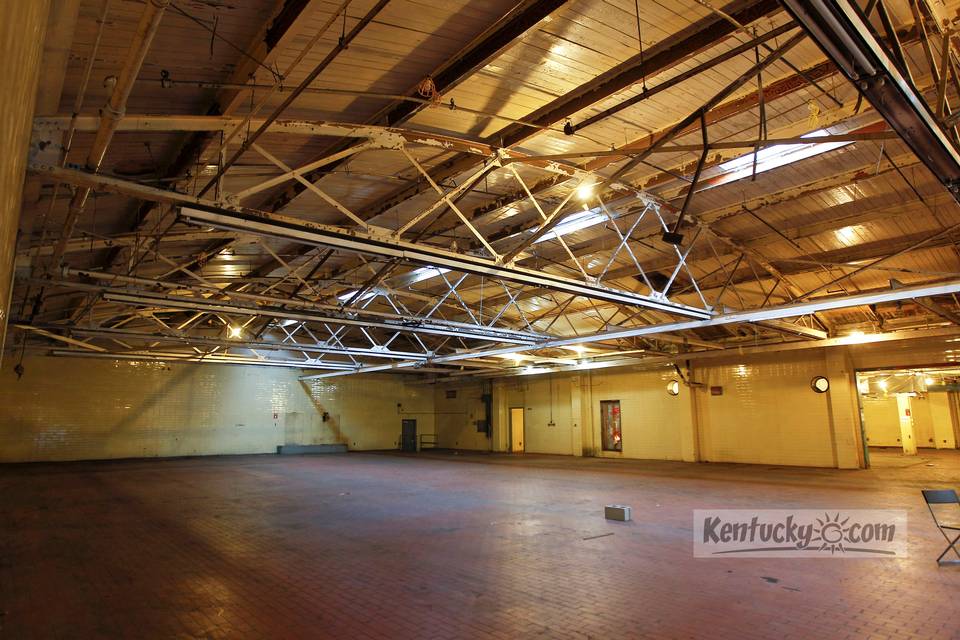
Here is a collection of photos of a former Rainbo bakery in Lexington, KY with some cool interior shots in case you were very ambitious and wanted to model a realistic interior.

Lexington

Frankfurt KY II

Frankfort inside II

Inside of a Rainbo bakery in Kentucky

Lexington inside

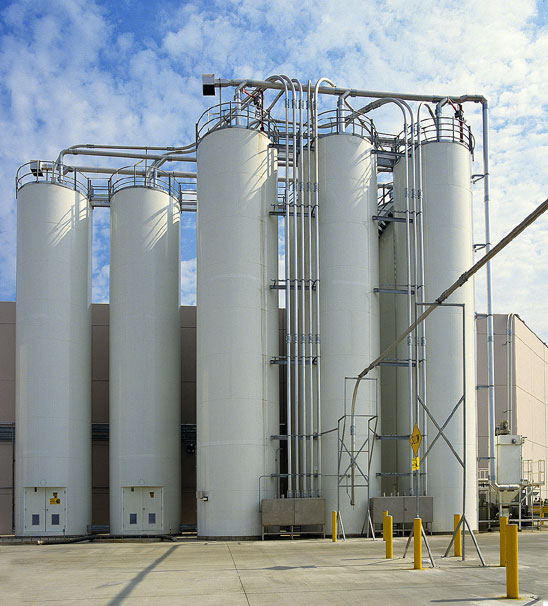
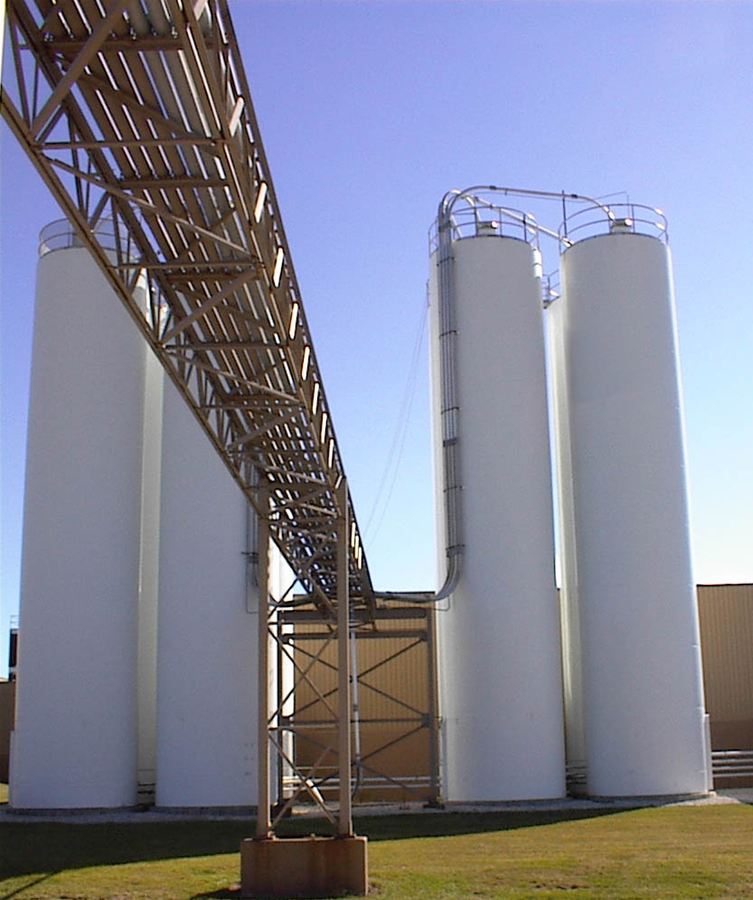
Here is a few photos of silos and unloading equipment.

shick-bulk-flour-system(ecpqf3) Shick bulk flour system, courtesy of Shick Solutions.

Rail Car Unloading Systems Detail on…

View original post 422 more words

In Praise of Bakeries, Part I

Bakeries make for fascinating operations on a model railroad. They can be modelled with minimal facilities (such as the unloading areas – silos, tanks and such) or full blown with the entire bakery building and office complex should you have the space. Being space poor, the silo and tank thing (really the most detailed part of the operation) appeals to me the most. I’ve blogged about Bakeries as on-line customers (Mrs Baird’s on the Bergstrom Lead in Austin, TX) here before as has Lance Mindheim (Miami, FL).

Small and larger bakeries continued to use rail for inbound loads until the early 1990s. Rails West has some great history in this post (part 1 of at least 2) and it is really worth the read. I hope that you enjoy. Thanks go to Rails West for sharing his personal knowledge of the industry.

CE Hunt's avatarRails West

I lived in Roswell, NM, for much of the early 1990s.  One of the pleasures of early 1990 Roswell was driving by the Rainbo bakery and smelling the fresh bread being baked.  Another treat for me was to check out the spur where the Santa Fe Railway brought in covered hoppers of flour.

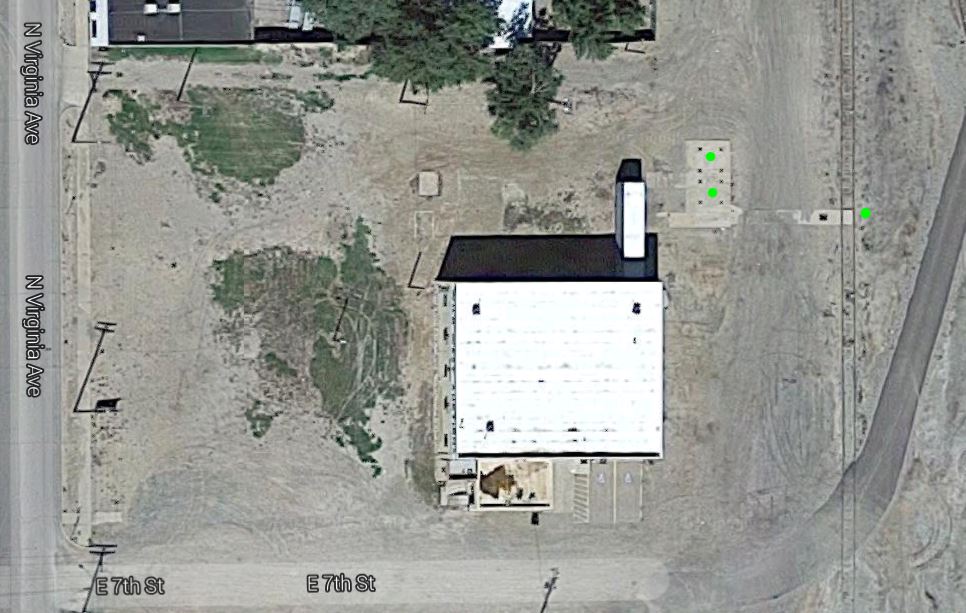
Roswell II Site of Bakery in Roswell.  Green dots denote the former unloading area.

Sadly, it is all gone now with the exception of a few relics.  The green dots above show where the cars were spotted for unloading and the base upon which the silos sat that stored the flour.  The flour was pneumatically carried from the train car to the silos and from the silos to the bakery.  I am not sure if the remaining structure was related to the bakery.  I remember to pneumatic tube that carried the flour to the bakery was pretty long and may…

View original post 367 more words

Merry Christmas & Happy New Year

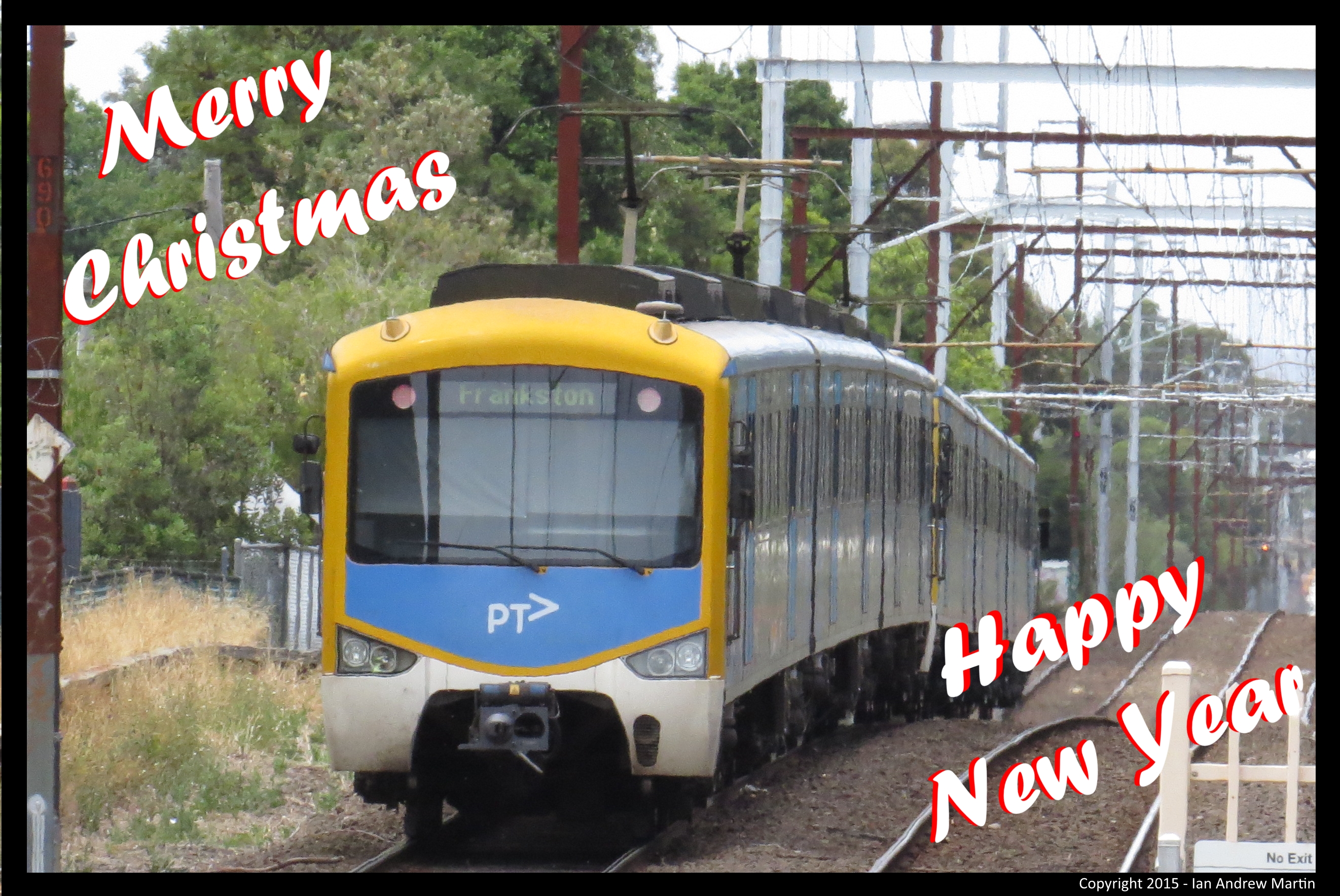
The end of the year is nigh, and it’s time for the jolly old Elf to ride around the place whipping down chimneys and all that stuff. As one train-lover to another I thought I’d share an image of the season with you.

Wishing you all a Merry Christmas, and a Happy and safe New Year
It’s all down hill from here! Cheltenham, VIC 21/12/2015.
Photo copyright: Ian Andrew Martin 2015

Thanks for stopping by this year and being a part of the HVL and Andrew’s Trains. I hope that you’ll drop by again next year too.

I wish you all the best wishes of the season, no matter what your personal beliefs, hoping that you have a safe and Merry Christmas and a bright, interesting and enjoyable New Year.

Site Seeing: December 14

After I reblogged Rails West’s San Fernando Valley Branch post on December 7th I took a look around the web to see if there were other sites that had information on this very interesting branch line. Luckily I found one. I could not find a SPINS book in my stash of SP paperwork to cover the area however you could certainly find this information from many of the online dealers (found at the last link) today.

There’s a week’s worth of information here and I hope you enjoy reading through it all.

Site 1: Burbank Branch Industries, 1981

Bruce Petty’s website has some really fine information (including lots of photos) of the branch in the early 1908s that would of interest should you decide to model the branch or one just like it. It includes the names of the industries served and the car lengths of the spurs.

Site 2: San Fernando Valley Freight Station Photos

Another of Bruce’s pages this time with photographs of the freight stations along sections of the line. Nice if you wanted to model any of these buildings specifically.

Site 3: Bruce’s layout page

Bruce has a model railroad covering a portion of the branch that was featured in the 2007 Great Model Railways (Kalmbach Publications). Take a good look around and take a look at some of the links on the page for the modelling articles there. Really goo stuff.

Site 4: CLIC, SPINS, ZTS: Zones, tracks, spots Identification

Some solid information on the different forms of track and spot identification. Main site is in German but the page is written in English.

Site 5: An overview of SPINS and the TOPS system that underpinned it

A great site with a huge range of detail and links about the SPINS system and the TOPS system. And yes UK modellers that is the same system BR purchased from the SP in the 1960s.

San Fernando Valley Branch, 1973 (Part II)

Back on the 7th of December I shared Rails West’s post about the San Fernando Valley Branch. Happy day – he’s back with another installment from the memoirs of B Smith’s adventures in the area in the early 1970s. And while this is specific to those modelling the SP in the Hollywood North area, the depth of information in this article will be important to those looking to model traffic density on a freelanced layout too. Enjoy and looking forward to the next part of this article.

CE Hunt's avatarRails West

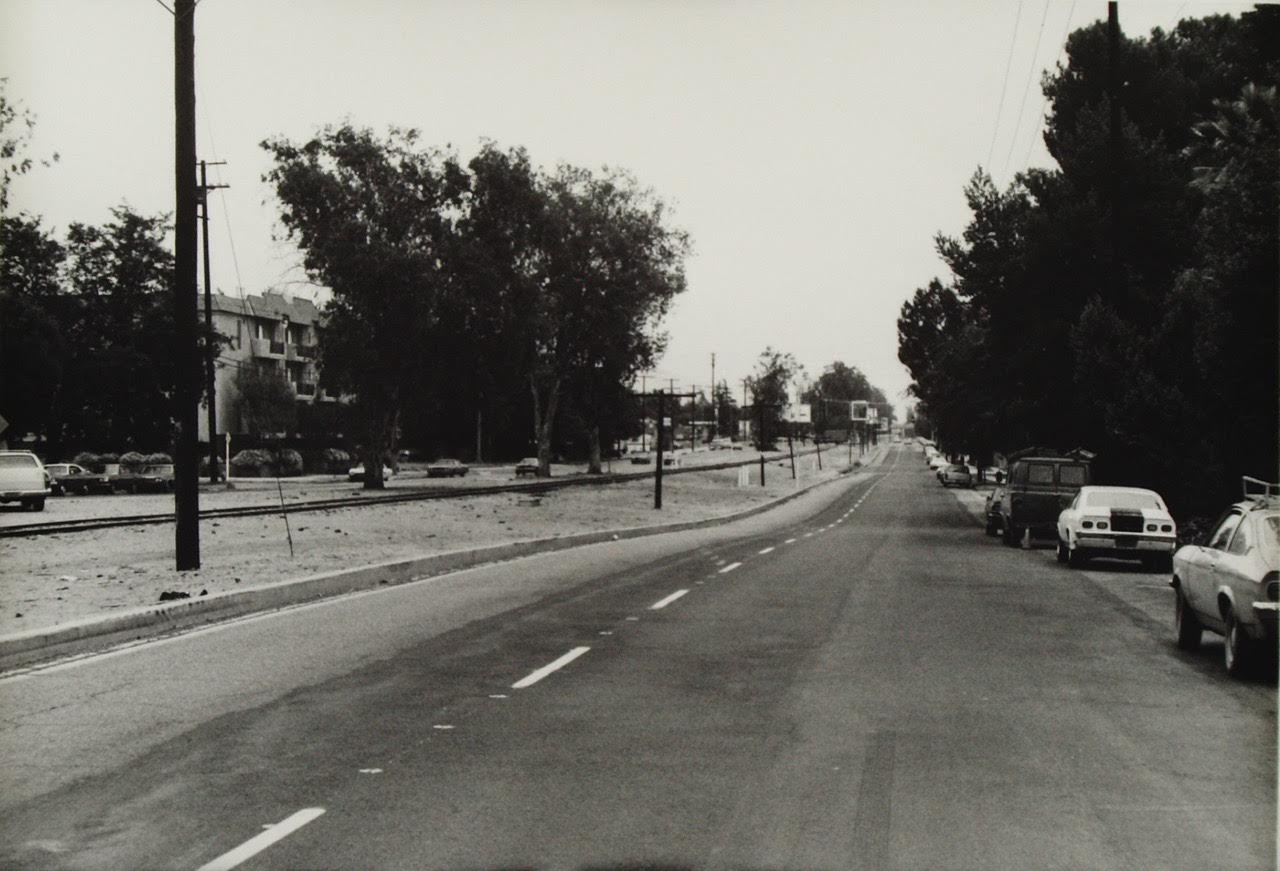
In an earlier post, I shared B. Smith’s excellent coverage SP action in the San Fernando Valley in the early 1970s.  In this post, we will drill down a little further into the nuts and bolts of the line’s operations again in the early 1970s with a few new photos, maps and field notes made by B. Smith as he documented the line in 1972.  This will be very useful for people interested in modelling the line and give the rest of us food for thought as to how many lines operated in the 1970s and somewhat beyond.

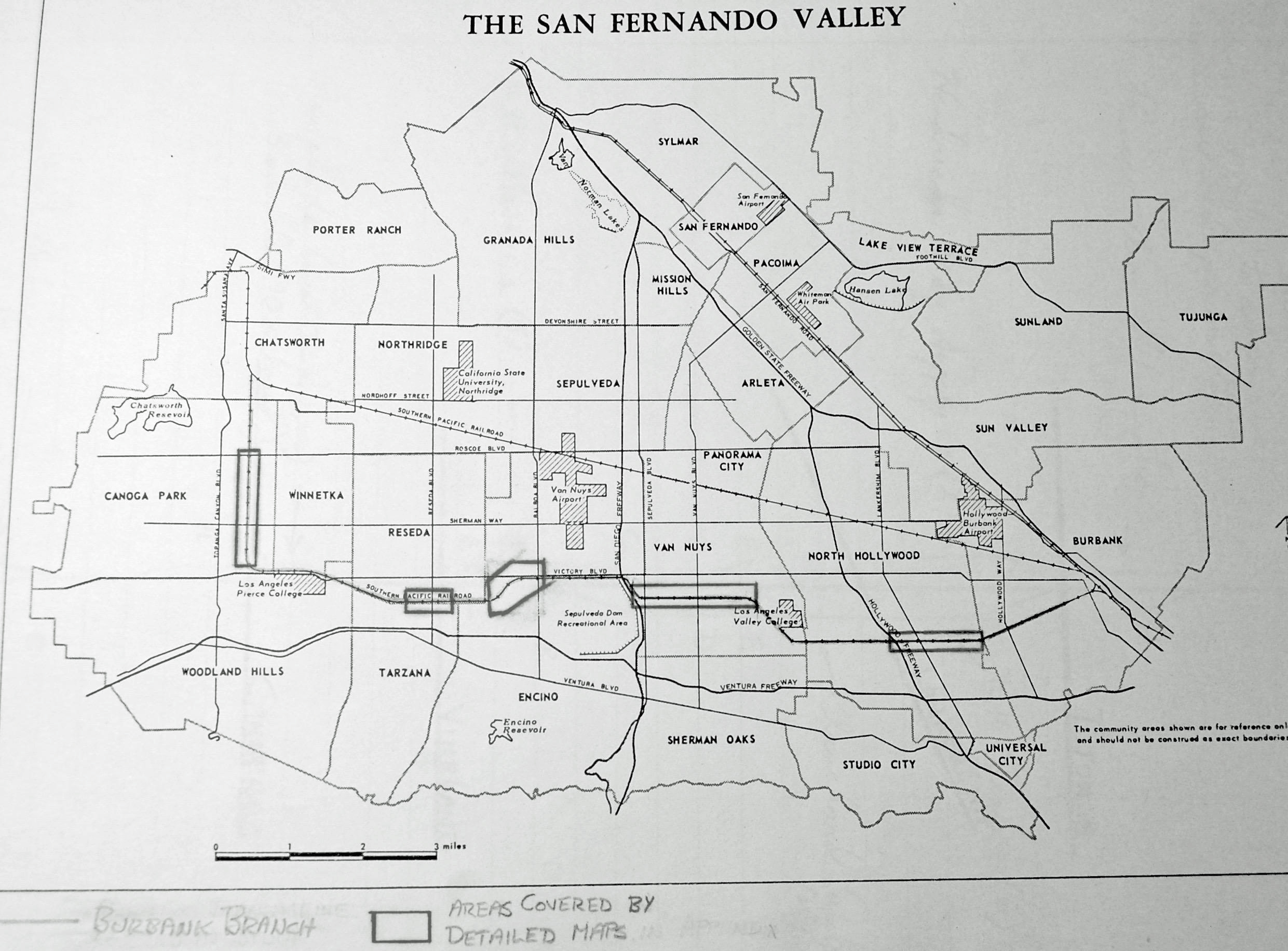
Here’s an overview map to start (Each of the boxes will have detailed maps and field notes to follow.  All the photos were taken July 20, 1972 and copyright B. Smith)–

San fernando Map bright.jpg

North Hollywood

Let’s head east to west and visit a little around the North Hollywood area to start.

unnamed

The San Fernando Valley…

View original post 588 more words

San Fernando Valley Branch, 1973

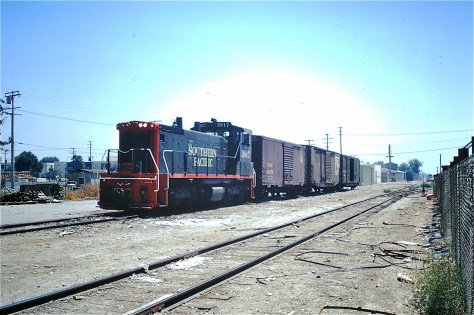
For those who follow the Southern Pacific, this post goes into incredible detail regarding the car types and the amounts for each location for each receiver and shipper during my preferred time period of the mid to late 1970s.

Beyond that though there is the comments from the shippers and receivers that make it a very worthwhile reading and research piece for the freelance modeller. Enjoy.

CE Hunt's avatarRails West

Team track in Reseda. Tarzana team track–©photo B. Smith

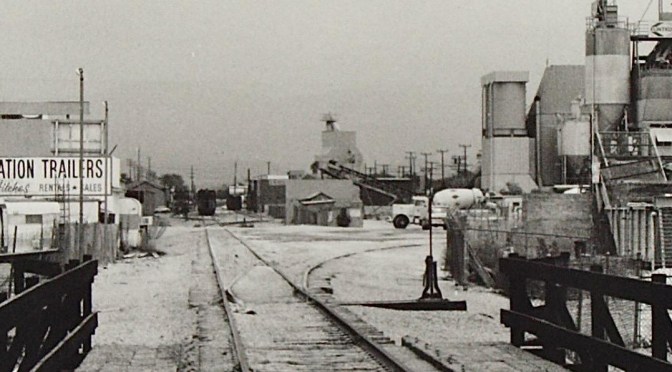
The San Fernando Valley Branch in 1973 was an interesting operation with a lot of traffic.  There was a wide variety of shippers and a good deal of team track traffic.  B. Smith, the author of the below profile he wrote in 1973, talked to owners/managers of each business/industry located along the tracks as well as the Southern Pacific Railroad’s area manager who allowed him access to the railroad’s records.  Here is some of what he learned.  It gives us all a glimpse into 1970s to probably the late 1980s-early 1990s operations when single car traffic was still common and embraced by larger railroads. The diversity of the team traffic business really caught my eye.  (The verb tense is present since this is what B. Smith documented in 1973.)

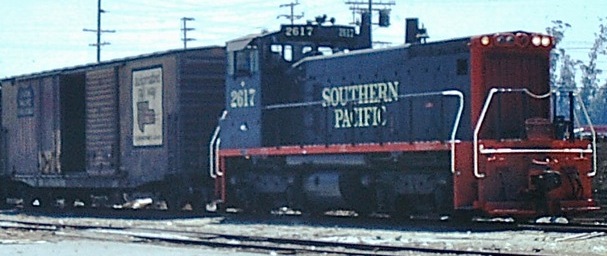
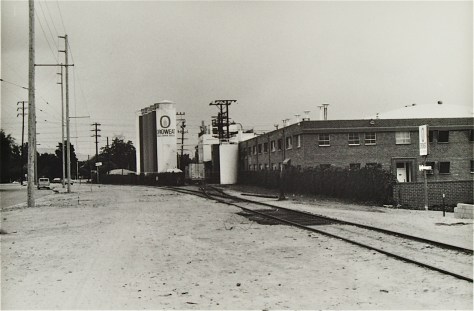
Bakery still using rail, though no covered hoppers this day. Bakery still using rail, though no covered hoppers this day.–©photo B. Smith

Orowheat Bakery, receives wheat from Montana and flour…

View original post 1,634 more words

The end of one year and the beginning of the next

The year that was

My birthday is the end of my year. It is the time when I draw myself close, ease back on the throttle and reflect on the year just passed, and what I hope and aim to achieve for the year ahead. This past year has frustrated and challenged me. I’ve found myself confronted, defeated, discontented, discouraged, disheartened, embittered, and stonewalled. I think you may see the tone of the last year now.

In late 2013 the company I worked for moved from family ownership to a corporate behemoth; I worked hard to make that changeover go as well as possible; I wanted the changeover to work and threw myself into the task. With that project ended I was laid off from my role. I saw that end as a sign and as a time for change. I.T. is a time succubus.; my family life and thereby my modelling life has suffered. I love my family, and my modelling is a happy place. Being in I.T. for so long had stopped that and I wanted my happiness back.

In 2015 I decided to re-train, and move away from I.T. to my real loves of writing, training and assessment. Since June I’ve been working away on achieving my certification in training and assessment and thus my time to do non-training activities were limited. Today sees the end of that transformative pathway. While I’m not there yet work-wise,  in all other aspects I  am on my way.

Over the last year I’ve been able to spend time getting to know my two amazing kids. My eldest gained the role of co-School Captain for next year. My youngster has already stepped up this year and competed in his school’s Lego Robotics Challenge locally and at the state level (a first for the school). He has taken part in the RACV Energy Breakthrough. This three-day event pits young people against the elements, mechanics and themselves in human-powered vehicles around a course for 15 hours. It’s like the Le Mans or Bathurst 1000 of HPVs.

My modelling time has been limited despite having the time off to do more of it. I preferred to spend the free time I had going to my kid’s school events, and other opportunities that I’ve never been able to do before. I’ve not been able to do any of these. I’ve been on-call as a tech and manager since 1984. That’s 30 years with either a pager or a phone attached to my hip. It’s nice not to have to worry about it now.

What’s ahead for the next year of life?

Funny you should ask. My focus for this year is on cleaning up and adjusting course. Getting work and enjoying life a lot more. Along with that come my family and my hobby. During December I’ll be posting the first part of the layout build, now that I have access to a full wood working shop (through my membership of the Ballarat East Community Men’s Shed). I’ll also be posting the first Layout Design Element of that layout (after not being entirely happy with the current plan, and there’ll be a few more projects that I want to put to bed also. I look forward to posting more modelling over the next few months and hearing back from you too. There’ll be more layout designs and other ideas that I’ll post too. Looking forward to writing to you more this month.

Dapol 08 in 7mm scale

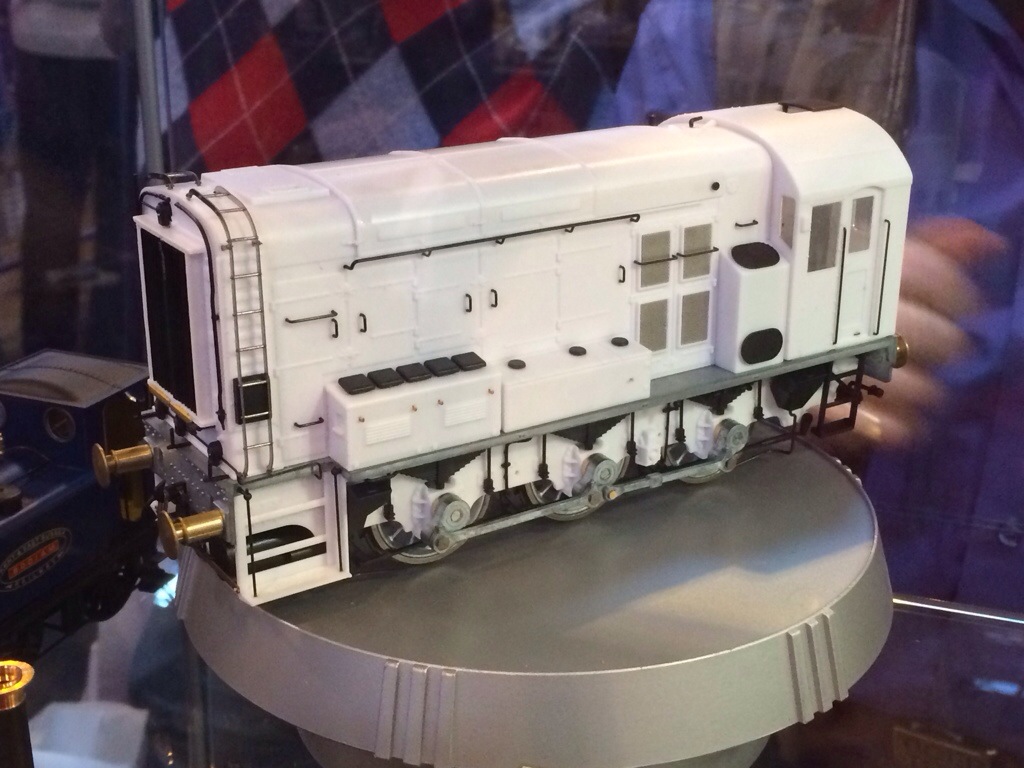
While I cannot find anything of use (at all) on the Dapol site on the new UK Class 08 shunter they’re releasing sometime during 2016. You can read more about it on Tower Model’s website: http://www.tower-models.com/towermodels/ogauge/dapol/dapolloco/class08/index.htm

The nuts and bolts of the model are as follows:

  • Fine cast metal coupling hooks and chains.
  • Finely moulded body with many separately added fine details.
  • Etched name plates where applicable.
  • DCC ready with PluX 22 pin socket for control of all aspects of running.
  • Cast wheels with fine relief and appropriate colouring.
  • Tungsten chassis and all wheel pick-up.
  • Tooling designed to allow production of alternate models in the future.
  • Powerful 5 pole skew wound motor and flywheel for superior running and performance
  • Accessory bag with spares and other added detail.

Surprisingly, the model will be reasonably affordable for those of us overseas (not in old Blighty). Considering that we don’t have to pay the VAT, even with shipping, the base cost is only about the $AU355 dollar mark – depending on the currency fluctuation. And that is not that bad. Anyone interested in helping “The Andrew Martin Inaugural O Scale Loco Conservation and Operating Fund”? This will make sure that I can properly curate and run one of these little beauties for all time! And you will get your name engraved on a scale sized plate on the side of the locomotive; And you’ll get to come over and run the loco too on running days! You may have to pay your own airfare, although you can sleep on the couch for free!

While I’m waiting for the money to arrive zip on over to the Albion Yard blog to see the images. Outstanding stuff Dapol. But should I have to go to Tower Model’s website to see more about your model? Really?

bawdsey's avatarAlbion Yard

20151128-193416-70456712.jpg

Albion Yard in 7mm next?

20151128-232824-84504645.jpg

View original post

Small Layouts Designed to Work since 2003

Proto48 Modeler

Proto48 Modelers brings you the best resources, news and information about our hobby.

Leigh Edmonds little box of stuff

Writing History - Making Models - Other Stuff

apassion4books

For people who love to Read & Share

The Model Railway Show

A journey through the hobby, by Trevor Marshall

A Library Companion

It's about the books I'm reading or have just read

roundtree sidings

the development of a model railway