The nice folks over at Model Railroad Hobbyist have available for download (to MRH Subscribers only) the Guide to acrylic painting … in a post-Floquil world. Written by Joe Fugate, this 42 page PDF (zipped download) provides a means for railway modellers to work beyond the end of the Floquil model railroad paint era.
Designed to get you where you need to go when repainting Floquil railroad colours using paints from the following manufacturers:
Vallejo Model Air / Game Air
Badger MODELflex, and
Model Master
This guide provides a timely and useful map to help get the right colour for your next model rail painting project. You can find the download location at:
Keep in mind though that you need to be a subscriber. No payment required so if you are not already a subscriber, you really ought to be. Each month the MRH team produce an outstanding free magazine packed with great stories, information, and resources. Plus there are the forums. Yep you guessed it – I’m a fan and have been since day one.
It’s been a long road, with many changes since the original Andrew’s Trains site hosted by FotoPic went under. With files lost, and images gone, and an audience to rebuild it seemed a big hill to climb. After some time I’d gotten the HVL website (www.huntervalleylines.com) established, files and images uploaded and people coming back to visit and a lot of good press going.
Then change rolled around again and before I knew it the hosting company no longer supported my prefered image and blogging packages. With the loss of that support all the content I had worked so hard to upload, discuss and write about was gone.
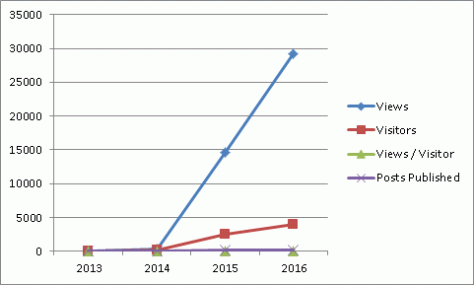
In 2013 I made the move to the WordPress free version. It was a hard decision to start again for the third time but it seems that it was ‘the charm’. Sometime yesterday a visitor dropped in and viewed the site and helped to double the stats from 2015.
When I started this blog in 2013 I did so very quietly, to get my feet under me while I began transferring data across. 2014 was quiet again as I got used to the platform and my direction.
2015 was the year that things really took off. I had more time to work on the site and the content (though sadly I’ve been grossly under employed since this time in 2014 after being laid off).
2016 has made me very glad to have stuck with it, to get it done and rebuild. With more time to develop the content (the upside of being laid off) and less spent on the mechanics of the site, projects coming out of mothballs with the freeing up of a little money over the next 6 months, I look forward to what I can give back to you.
Site stats to October 31 2016
I’m a one man band. There are times when I just don’t have the energy or the time to post. Sometimes there is too much to post. I’ve done the best I can to make it all work. Thanks for being willing to come along for the ride. Small layouts are my thing. I enjoy the fact that they are easy to build, take up little space and allow you to operate when and where you are able.
In summary I just wanted to say thank you for your ongoing support, suggestions and comments. I love model railways, and small layouts in general. Mostly I like my fellow modellers who share their dreams, their schemes and even their memes about railway modelling.
All the best, and for those who like my family are Northern hemispherically influenced, Happy Halloween.
Back in August I showcased the work of Martin Wellberg, from Borne in the Netherlands. He’s back after working on another set of large models. On to the visual feast.
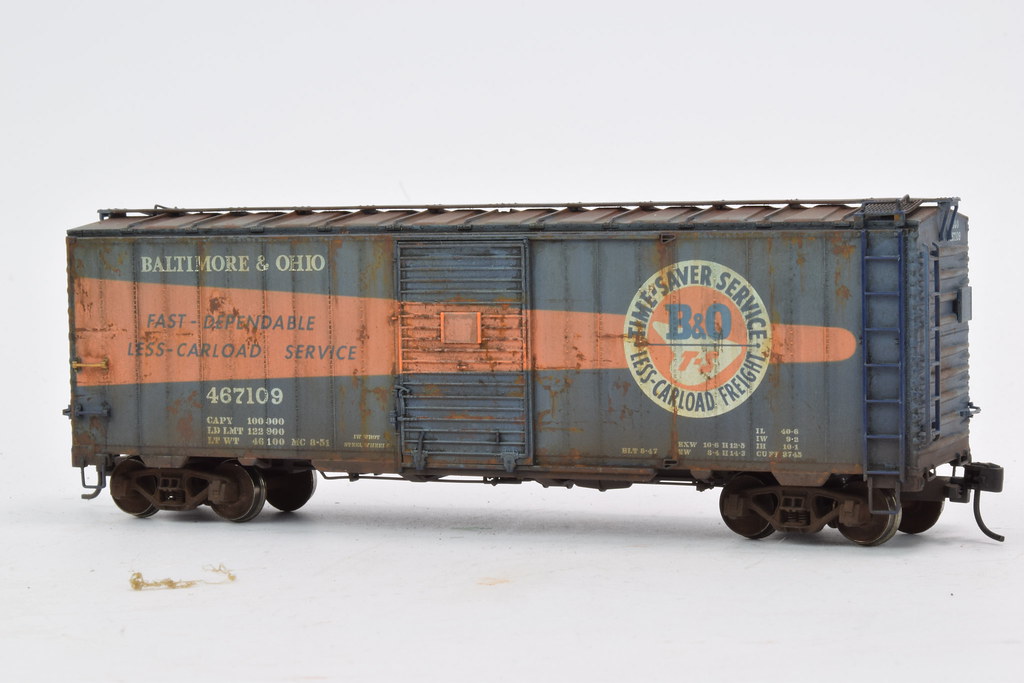
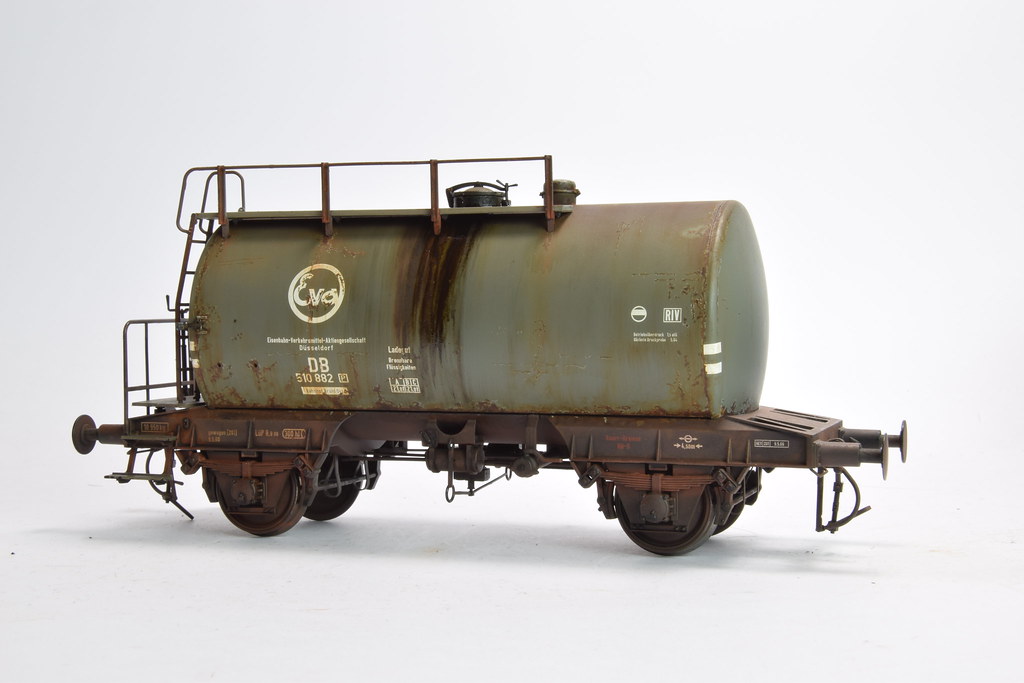
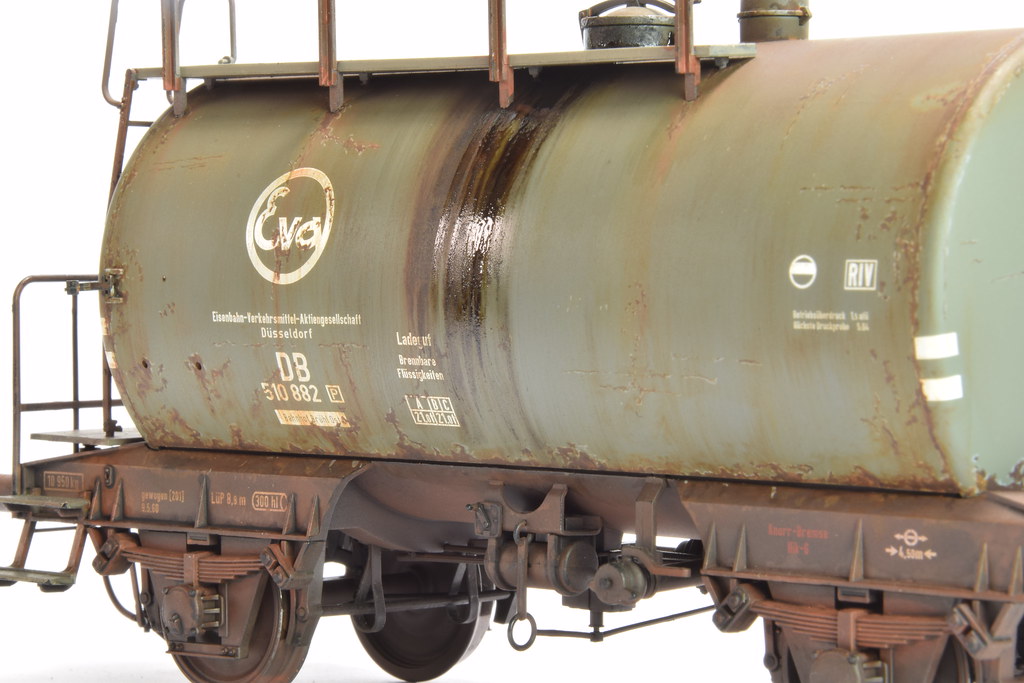
I’m not going to write too much about this, this is entirely weathered train porn, it’s that simple. First let’s look over Martin’s HO Scale B&O Boxcar:
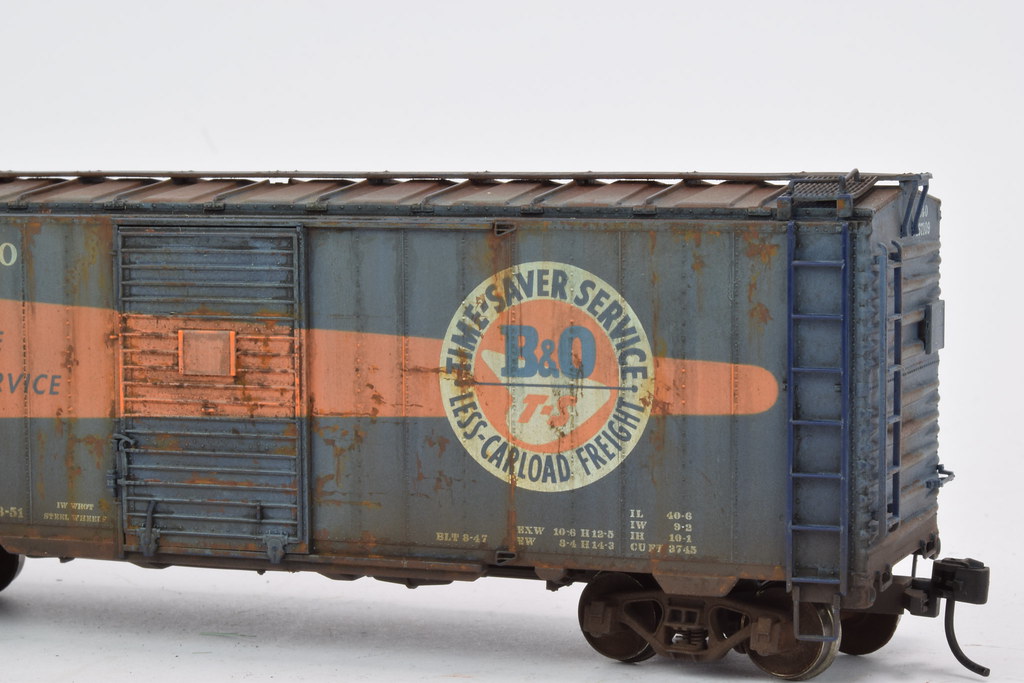
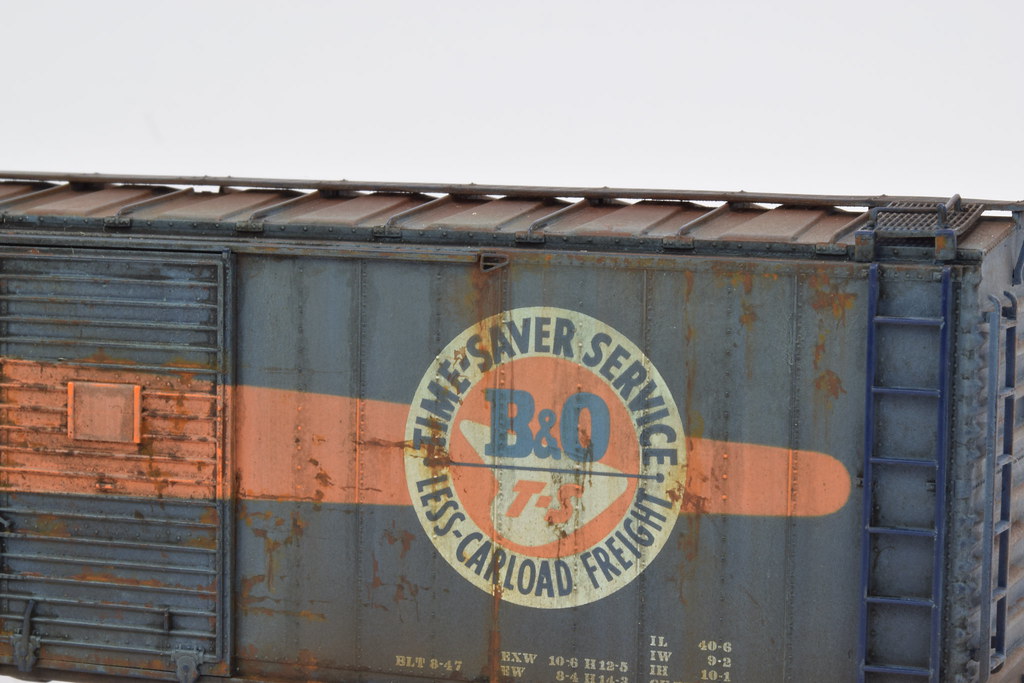
Second let’s take a look at what I consider to be the best weathered freight car I’ve seen:
Hope that you enjoyed these images. Thanks go out to Martin for being so willing to share his work.
One of my favourite past times is to travel to shops of dubious regard and seek out old model railway magazines. Most recently I’ve been seen haunting the bookshelf at the Ballarat Tramway Museum and going through the old model rail magazines. One issue of Railway Modeller (August 2003 no less) really took my fancy. Contained inside was a very small but very pleasing layout. Onto today’s site seeing.
In said magazine I found Shell Island. A very small layout, two turnouts, end of branch line UK seaside, you get the picture. My adventure could have ended right there, but it didn’t. The images were mesmerising. They displayed a visual depth that made you believe you were only seeing what the camera could show. Great composition, colours and models.
Image linked courtesy of Rushby’s Railways Blog
As you can see from the track plan, this is no last layout effort. It is an end of the branch location, on the coast, with a little traffic and a mostly disused goods shed. And by the way it’s on the ocean.
Image courtesy of Rushby’s Railways Blog
And that maybe all the difference it needs. It’s idyllic, industrial and ramshackle and yet it stirs emotions and my wanderlust wants to go here and see this little out-of-the-way slice of railway. It looks better on-screen than it does in the magazine too. I want to go to this place. I want to sit at the Cafe table, eat my fish and chips and take in the train action. Even if that is simply a loco idling on the weed strewn siding. I can smell the salt, the seaweed and hear the gulls calling me.
Image courtesy of RMWeb
And that is a powerful skill for a layout builder. To stir in others a need to relive this moment in time, even if it is false, and never was. Neil – my hat’s off to you brother. You are in a class of your own. Read more about the layout, the builder and his other projects which are as good on his blog from the link above.
Resources:
More images of the layout can be found in the links below:
This section is where I’ll be posting well thought out designs that I can’t be fussed putting into the various railway CAD programs.
Each is at the concept stage and I’ll provide an overview of the location, industries and an operating scheme for these small layouts. The first layout so covered is on the Vinson Lead in Austin, Texas.
If you’ve a moment head on over to ‘The Vinson Lead – small and simple V 1.0‘ and see if this fits your bill for a great little model layout. There’ll be more to come as I now have a new scanner (yippee!).
Subtitled as “Documenting railways and related infrastructure since 1960” the website is now being maintained by Weston’s son-in-law, Andrew Godfrey. And what a treasure trove it is.
Weston had a long career as an engineer in and about the railways in Australia and interestingly on the Canadian Pacific Railway. His life in pictures (all 38,325 of them) is a gift passed down to us. And something that we should be thankful for and respectful of when using them.
The only niggle that I have – and I know this is a personal issue – is that you cannot search all images of a location – without knowing some information about the image. Wildcard searches are not allowed. Apart from that though, by looking at his CV you can get an idea of where he was and therefore narrow down the search by using the year and month to reach the results that you want.
Take a look around and enjoy the images and not only of Australia but across the working world of Weston Langford.
Weathering is cool. Having said that, it is an art that takes time and experience to master. Today’s modeller has a very skilful eye and has nailed so many subjects that I just had to share.
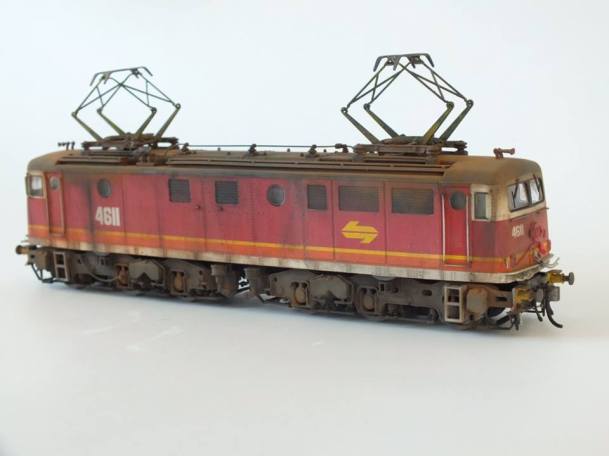
Focused primarily on NSW railways in the years between 1986 and 1989 Dean’s work is very skilful. I showed a teaser image at the end of my post from September 09 this year of one of his 46 class electric locos. Got some nice feedback from that and having had the time to look over Dean’s other posts wanted to share his work.
There are not a lot of ‘instructions’ regarding his weathering technique which is a shame. However, Dean’s results speak for themselves. About the best blog post for understanding Dean’s full weathering process is from 24 October 2013 and titled ‘On Track models NHEF Hopper – weathering tips‘.
Apart from being a very good modeller and weathering artist, Dean is also a manufacturer and contract weatherer. Have a look at his Facebook page for more information and for lots of model photos of his work.
If you’ve not heard of Adrian’s site before then you are in a for a treat. This site has everything that you ever wanted to know about shunting puzzles, including the Timesaver and the Inglenook.
Image courtesy of Adrian Wymann
Of interest for those of us thinking of building a layout using the Inglenook design is the discussion on the design of operation and movement for the layout. Additionally there is the mechanics of designing and building the layout also. Very well worth the look.
Putting the Inglenook to work Adrian’s great little layout deserves a look. Well designed, well executed and well presented Adrian walks you through the design and build process and provides a lot of insight into the process.
Image courtesy of Adrian Wymann
Head on over to the websites and do a bit of reading – you’ll not be disappointed.
First we need a little context before we get to the layout’s brilliance. As a Western Sydney boy, I regularly saw long and short freights during the 1970s come through Blacktown in Sydney’s west before and after school. Living in Marayong on the Richmond branchline we had regular freights to and from the Riverstone Meatworks, and further up the line to Richmond itself.
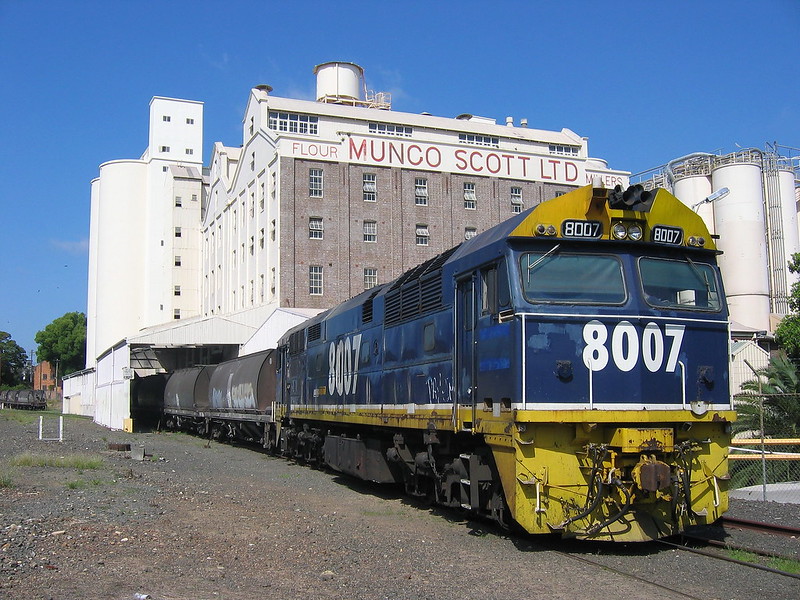
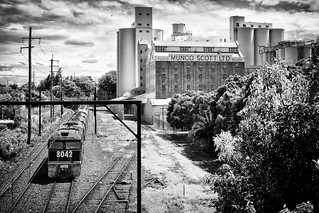
In the inner west (when I could wrangle a train trip into the city) I saw several locations that I always thought I’d like to model. The Mungo Scott flour mill siding for one as shown below seemed ideal. It was inner-city, working class, railway grit that has had me fascinated all my life. Here’s two examples from that location.
Image courtesy of Rob Cook
Image courtesy of Trent Nicholson
So now that you have a visual context of the type of layout that I’d always wanted to build let’s take a look at Ben Gray’s vision of inner city railway industry in a small space (not that you’d notice).
Image courtesy of Ben Gray
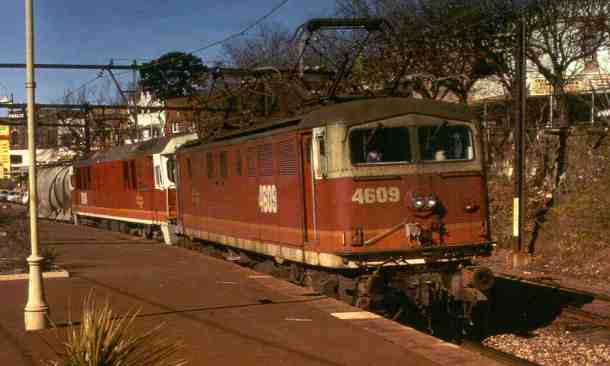
The image above caught my eye immediately. First, I loved seeing these 46 class electric locos working freight and passenger traffic around the Sydney network. Designed for heavy freight drag work out of the Sydney basin and over the ranges to our west, these locomotives were built by Metropolitan-Vickers and its partner Beyer, Peacock and Company in England for the New South Wales Government Railways. For many years these were the most powerful locomotives in Australia with a one-hour rating of 3,780 horsepower (2,820 kW) and the ability to deliver more over short periods. They are to me the most beautiful locomotives (electric or diesel) built and look fantastic on this Inglenook (if only there were overhead wire – sigh).
There are some very clever uses of visual trickery here. The layout is just an Inglenook but it is so much more because the focus is not on the Inglenook; rather the focus is on the concept of the viewer’s experience of the layout. You have to be an inner city kid, who saw locomotives similar in appearance, doing what locomotives do with freight cars. And how it worked on me. Good one Ben and well done on taking me back 30 years with one photo.
Enjoy another view of the layout. Follow the links above and if you’re a Facebook user head on over to the group and join in the small layout love. Finally see if you can work out some of the clever tricks used in the design of the layout.
Now for a little more 46 class locomotive weathering porn (model first, prototype last):
The reason the Inglenook is such a popular subject for small layouts is simple: it works on many levels to enable operations. Today let’s look at one recently found Australian design.
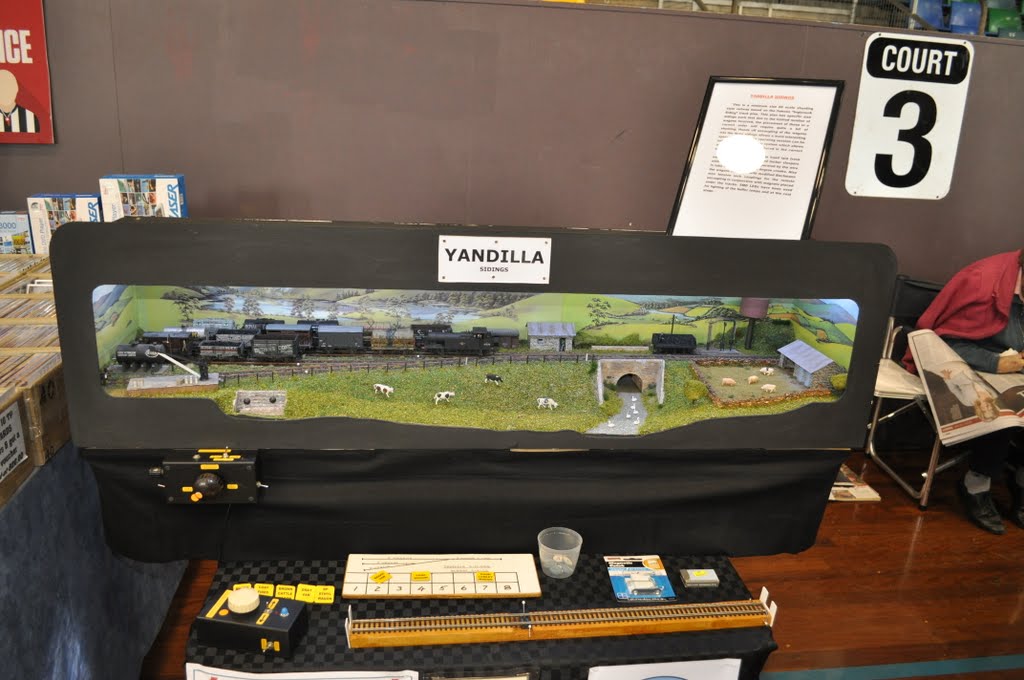
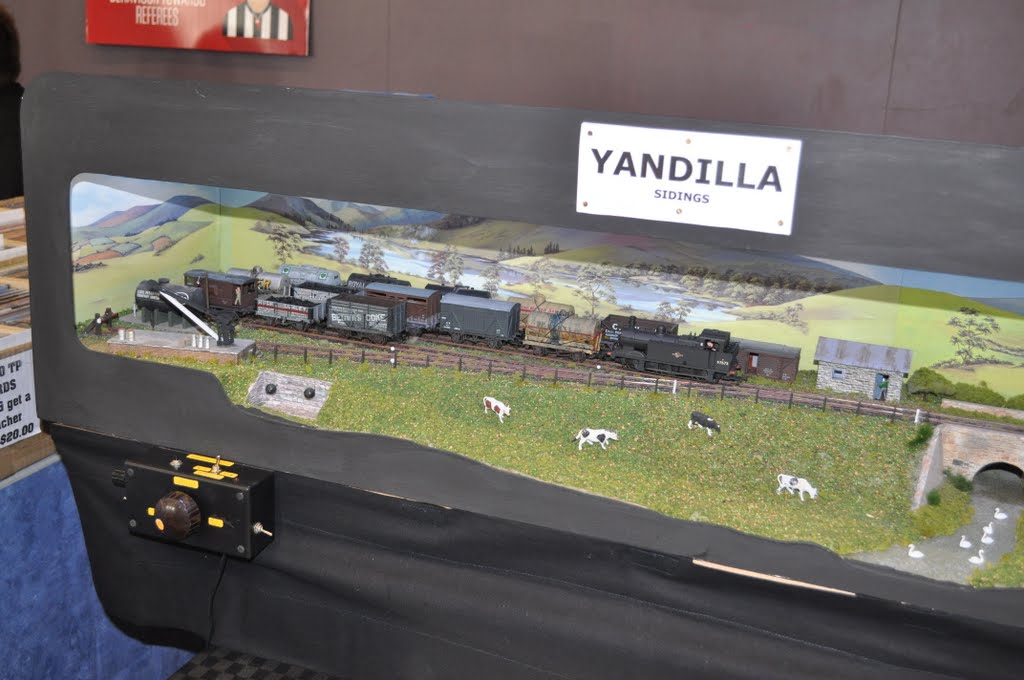
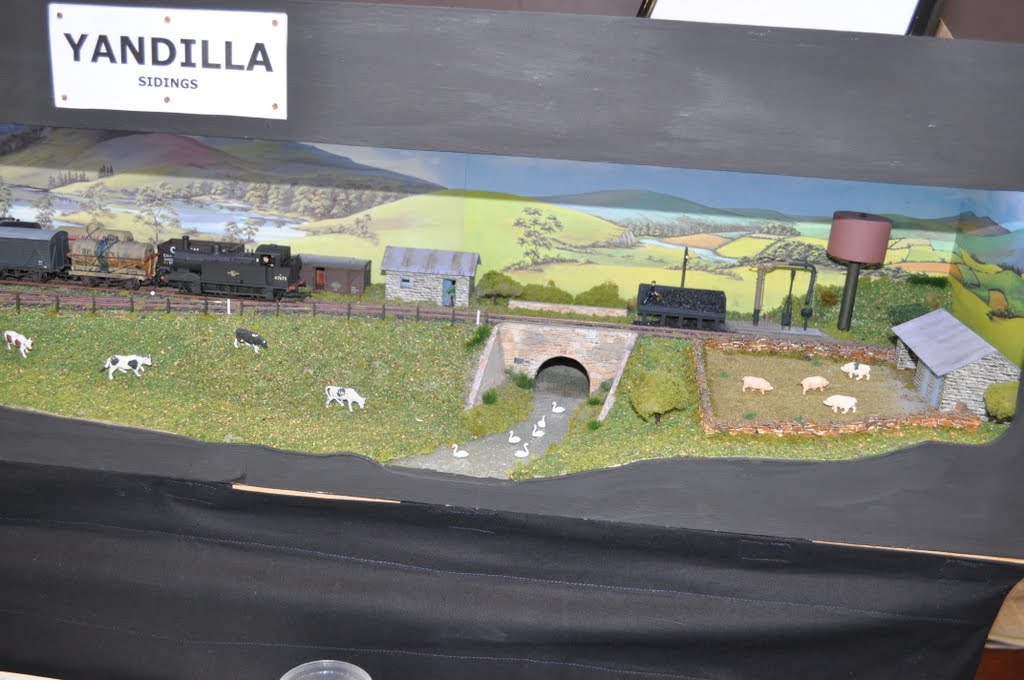
Captured and photographed by David Bromage at the Gold Coast Model Train Show in or around June 2016 at the Carrara Indoor Sports Stadium this layout shows what can be achieved in a small space with great presentation and attention to detail.
Image courtesy of David Bromage
In this overall image you see the entirety of the layout. What it shows to me is that you can have a small layout (in this case with UK prototype trains) that keeps the interest of the viewer and the operator, allows interactivity between the viewer and the operator (and should you choose to do so) allow the viewer to become the operator.
Image courtesy of David Bromage
In addition you can build the layout board and case quickly, with little effort if using pre-built (Ikea style) components. Then you can go to town on the detail in the viewable scene. If you want more than you can add more into the scene, or as the operator has, show the operating scheme to the public at large.
Image courtesy of David Bromage
Using the link in the heading above will take you David’s portfolio for the exhibition. I hope that you enjoy looking into this scene and learning as much as I have from it. I’d like to build an Inglenook in HO for exhibition use this southern spring and summer. I have several layout ideas for an inglenook and a Supernook – who knows what we’ll end up with!







 Andrew's Trains